Bathroom silicone turning black is often a sign of mould growing on a damp, dirty sealant surface. Warmth, lingering moisture and soap residue create conditions that encourage it. However, dark marks alone do not tell you whether the joint has failed or where a leak is coming from.
If you have noticed black spots around your bath, shower or basin, start by checking both the surface and the condition of the seal. This guide explains the common causes, practical cleaning precautions and when to arrange bathroom repairs in Worcester.
Why is bathroom silicone turning black?
Bathrooms stay wet after use, especially in corners where air moves poorly. Meanwhile, soap and other residues collect along the joints. According to Soudal’s guidance on mould and sealants, moisture, poor ventilation and organic deposits all contribute to mould growth.
Also, mould-resistant silicone still needs care. It can help resist growth, but it does not keep a constantly damp joint clean by itself. Therefore, replacing the bead without changing the conditions may leave you facing the same problem again.

Common causes of bathroom silicone turning black
Moisture that remains after use
Water can sit along a bath edge or behind a basin tap long after the room looks tidy. For example, a corner that stays wet between showers deserves attention. Check where droplets gather and whether the area gets a chance to dry.
Poor ventilation and soap residue
Steam and residue make regular care more important. First, use the bathroom’s ventilation as intended. Then clean the joint with a suitable product and wipe away excess water. Soudal’s anti-mould silicone advice recommends keeping surfaces dry, cleaning regularly and improving airflow.
A worn or damaged joint
Discolouration and physical damage are separate things to check. Look for splits, missing sections or edges that have pulled away. In addition, note whether the bath or basin moves during use. A contractor needs this information to decide whether cleaning, resealing or another repair is appropriate.
Surface marks or a seal that needs replacing?
Start with a visual check rather than digging into the silicone. Also, take clear photos before cleaning so you can compare the result. The following checks help you describe the problem when requesting advice.
| What you notice | What to do next |
|---|---|
| Marks on a bead that looks intact | Try suitable cleaning according to the product instructions, then review the result. |
| Staining that remains after cleaning | Ask for an assessment rather than repeated harsh scrubbing. |
| Cracks, gaps or detached edges | Request a joint inspection and resealing advice. |
| Damp beyond the joint or water beneath a fixture | Arrange investigation of the leak before choosing the repair. |
| Repeated failure in the same place | Discuss fixture movement, access and the underlying cause. |
A cleaner-looking joint is not proof that a leak has stopped. Conversely, black staining does not automatically prove that the whole bathroom needs replacing. Ask the contractor to explain the findings and scope before agreeing to work.
Cleaning bathroom silicone that is turning black
Choose a cleaner that the label says is suitable for the sealant and nearby surfaces. First, read the directions, including ventilation and protective equipment. Then follow the stated contact time and rinsing instructions. Avoid improvising stronger mixtures or leaving products on longer than directed.
Never mix cleaning products. In particular, do not combine bleach with other cleaners. The HSE cleaning guidance warns against adding other chemicals to bleach-containing concentrates. Use one suitable product as directed rather than combining treatments.
Also, avoid abrasive tools that could damage the joint or scratch the surrounding finish. If marks persist or the silicone is already separating, stop and request advice. Further scrubbing will not repair a gap.
Bathroom silicone turning black: when to reseal
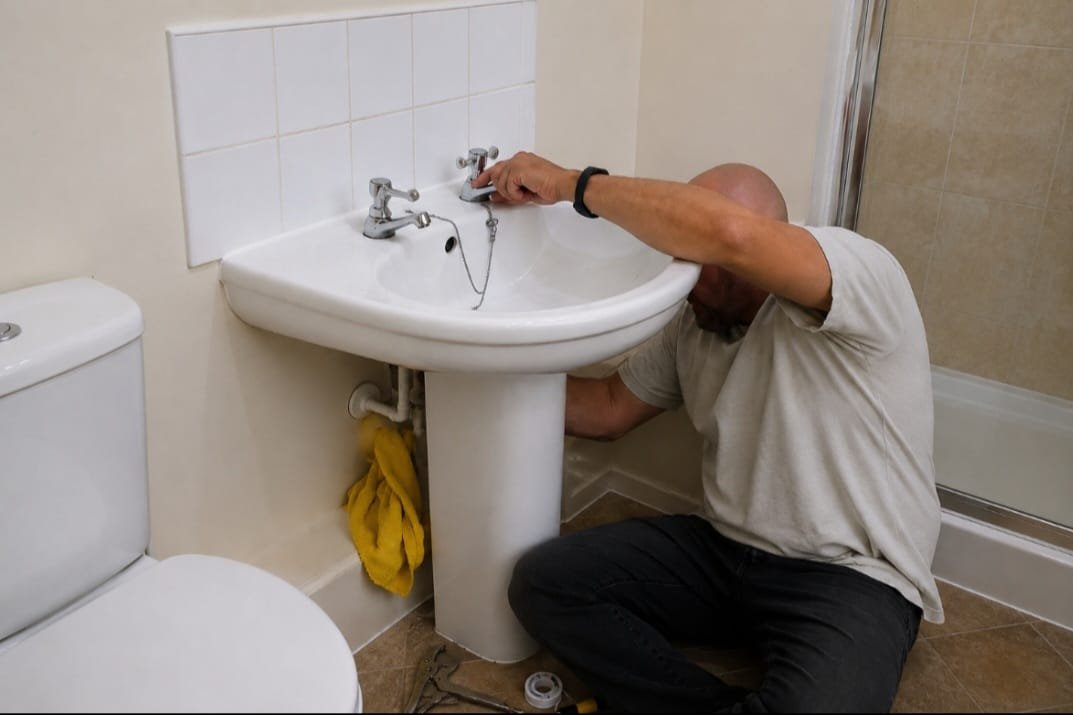
Ask about resealing if the bead has split, come away or left an open joint. Similarly, persistent discolouration may make renewal worth discussing after inspection. However, first identify any active leak or movement that could affect the new seal.
Proper renewal involves removing the old sealant and preparing the surfaces before applying a compatible product. The Soudal bathroom sealing guide explains the importance of clean, dry surfaces. In addition, allow the actual product’s required curing time before using the fixture.
For budgeting, read how much bathroom resealing costs in Worcester. Then request a quote that identifies the fixtures, preparation, materials and any separate repairs.
How to prevent bathroom silicone turning black
Build a few checks into your normal bathroom care. For example, pay attention to corners that stay wet and places where bottles hide the joint. Also, keep a record if the same section changes colour again soon after maintenance.
- Use ventilation during and after bathing, following the system’s instructions.
- Remove soap residue with a suitable cleaner.
- Wipe away standing water around the fixtures.
- Keep loose items away from joints that need drying.
- Report cracks, movement or recurring damp promptly.
These habits help you spot a change before it becomes a larger repair. However, they do not replace investigation of an ongoing leak. If the problem spreads beyond the sealant, ask for an assessment of the affected area.
Frequently asked questions
Does black silicone always mean mould?
Mould is a common reason for dark marks in a damp bathroom, but colour alone cannot identify the cause. Note where the marks appear and whether they change after suitable cleaning. Then seek advice if you are unsure or notice damage around the joint.
Why is bathroom silicone turning black again after resealing?
Check whether the area stays damp, collects residue or has poor airflow. Also, tell the installer about any recurring leak or fixture movement. A repeat problem needs a review of the conditions and the repair, rather than another bead applied without inspection.
Can I put fresh silicone over the black bead?
For proper renewal, remove the old sealant and prepare the joint first. Adding a layer leaves the old condition hidden underneath. Instead, ask the contractor to include removal and preparation in the quote.
Is bathroom silicone the same as tile grout?
No. Silicone forms a flexible seal in specified joints, while grout fills the spaces between tiles. Therefore, show both areas in your photos if you are unsure which needs work. The quote should distinguish resealing from regrouting.
Get help with bathroom repairs in Worcester
If you are dealing with bathroom silicone turning black, send us a wide photo and a close-up of each affected joint. Also, include your postcode and mention any gaps, movement or active leaks. Our Worcester bathroom repair service can help assess the work required.
Request a free, no-obligation quote, call 07346 046826, or email handymanworcester.uk@gmail.com. We will discuss the problem and help you plan the next step.