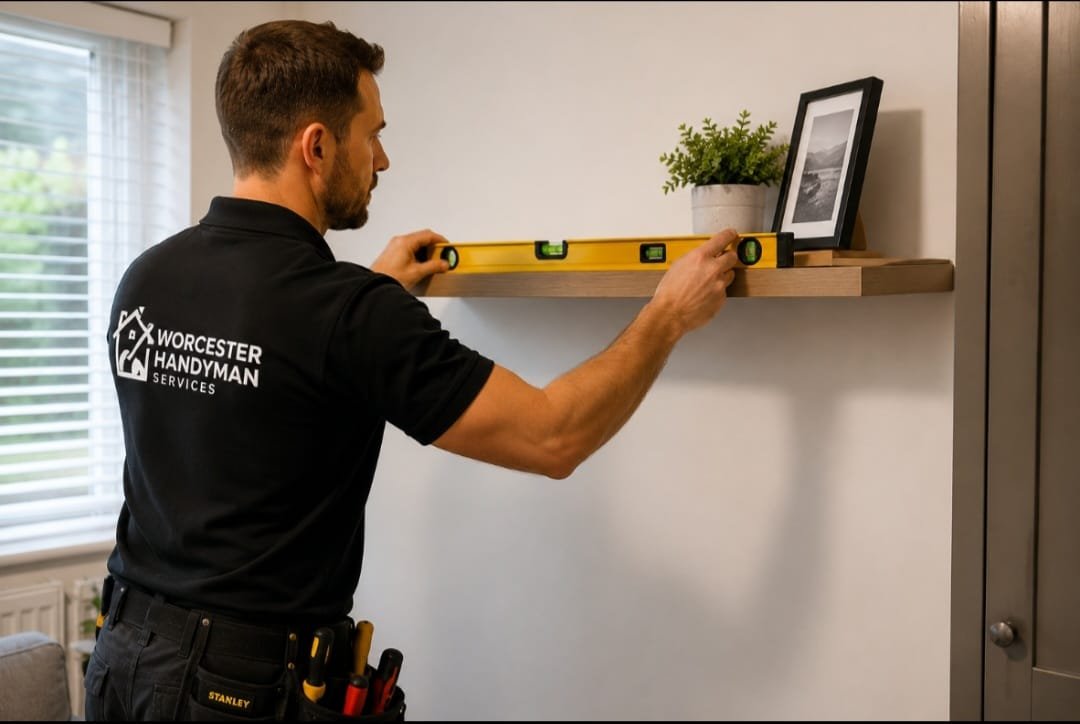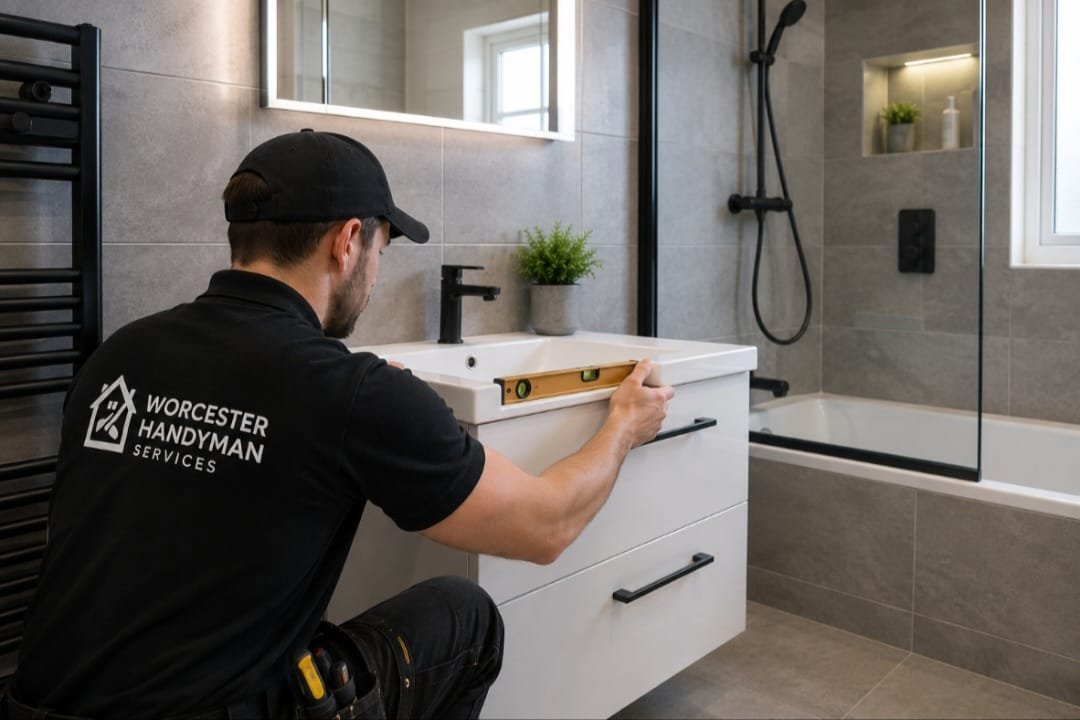
This property maintenance checklist helps landlords in Worcester spot faults, plan repairs and keep rental homes in good condition. A loose handrail or leaking gutter can become a larger problem when nobody records it. Regular checks give you a clear repair list and help tenants report concerns early.
Use the schedule below for routine visits, seasonal work and tenancy changeovers. However, deal with hazards as soon as you discover them. Routine maintenance visits do not replace gas safety checks or electrical inspections by qualified professionals.
Your property maintenance checklist at a glance
Start with safety, then check for water damage and everyday wear. For each fault, record the location, date, photographs and action required. Finally, assign someone to complete the repair and confirm when they finish.
- Safety: Review alarms, certificates, handrails and escape routes.
- Exterior: Inspect gutters, downpipes, roof coverings and visible timber.
- Water: Look for leaks beneath sinks, around toilets and beside baths.
- Indoor condition: Check doors, windows, flooring and ventilation.
- Outdoor areas: Review paths, fences, gates and drainage.
- Records: Update your repair log and book the next visit.
1. Put safety checks first
Landlords must keep rented homes safe and free from health hazards. The GOV.UK landlord responsibilities guide explains the wider duties. Treat this property maintenance checklist as a practical planning tool alongside those requirements.
Gas and electrical safety
Arrange the required annual gas safety check with a Gas Safe registered engineer. In addition, maintain the gas appliances and flues you provide. Keep the safety record and supply it to tenants as required. See the HSE landlord gas safety guidance for details.
For relevant private tenancies in England, arrange electrical installation inspection and testing at least every five years. Follow any shorter interval stated in the report. Also, complete required remedial work within the applicable deadline. Use a qualified and competent person, as explained in the government electrical safety guidance.
Alarms and access
Provide a smoke alarm on each storey used as living accommodation. Provide a carbon monoxide alarm in living accommodation containing a fixed combustion appliance, excluding gas cookers. Check the alarms work at the start of each new tenancy. Repair or replace faulty alarms once informed, as soon as reasonably practicable. Refer to the official alarm guidance for the full rules.
Next, check stair rails, steps and escape routes. Arrange visits with tenants and respect their privacy. For routine inspections, give at least 24 hours’ notice and visit at a reasonable time. Agree access rather than assuming you can enter.
2. Check roofs, gutters and outside walls
Walk around the property and look for slipped tiles, loose gutter joints and staining on walls. Inspect from a safe position at ground level. Then ask a suitable professional to investigate defects that need access at height.
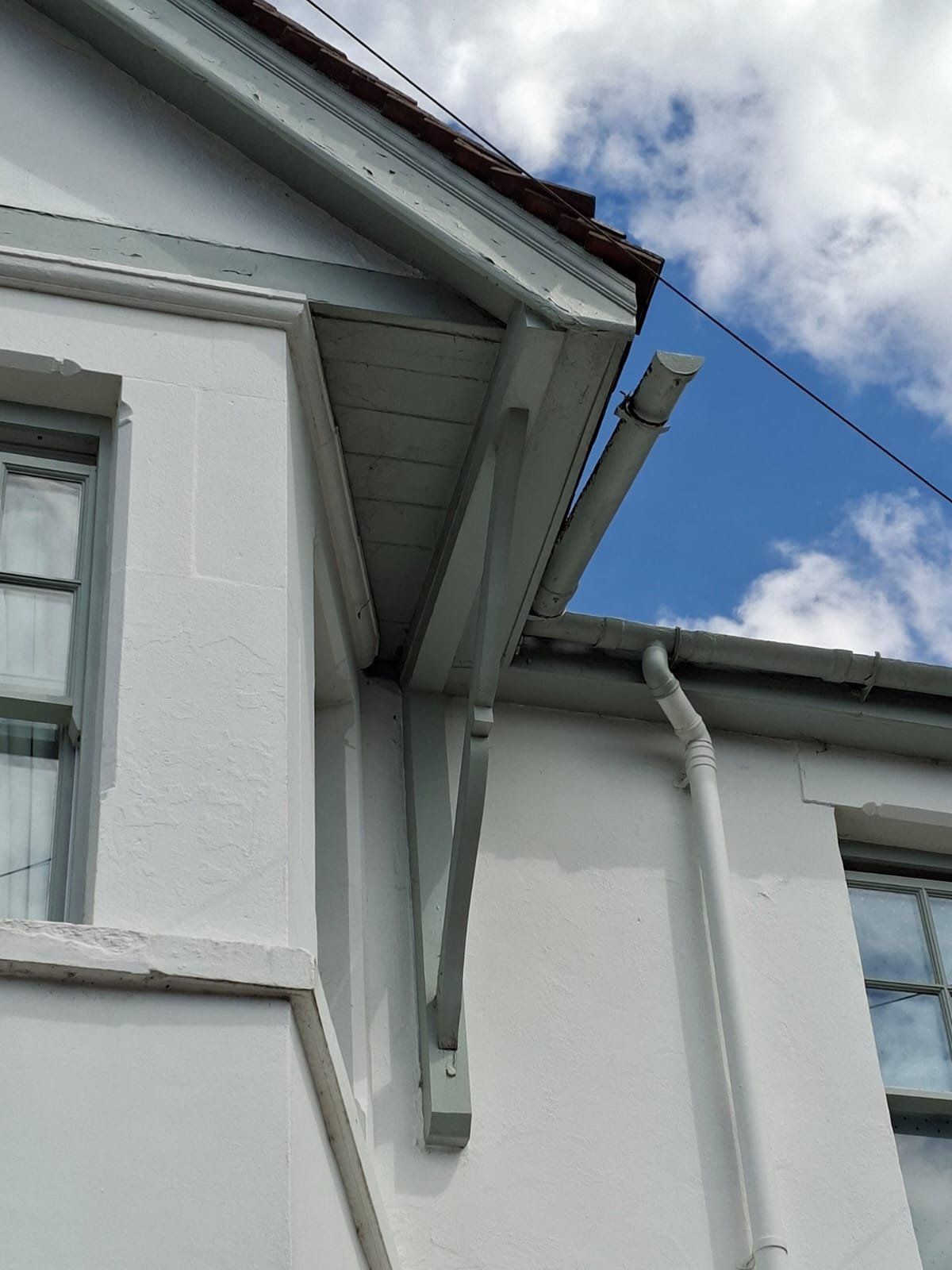
After heavy rain, look for overflowing gutters and water pooling beside the building. Also, check fascia boards and exposed timber for peeling paint or decay. Our guide to why gutters overflow even when clean explains common drainage faults.
- Check gutter joints and downpipe connections for visible leaks.
- Look for blocked gullies and standing water near entrances.
- Record damaged render, open joints and new wall cracks.
- Ask a specialist to assess structural movement or persistent water ingress.
3. Inspect plumbing, bathrooms and kitchens
Small leaks can damage cupboards and floors before tenants notice them. Therefore, look beneath sinks and around visible waste pipes during agreed visits. Check taps, toilet flushes and accessible pipe joints for drips.
Next, inspect sealant around baths, showers and worktops. Replace failed seals and investigate any damage behind them. For suitable minor repairs, explore our bathroom repair services in Worcester.
- Check for damp cupboard bases and swollen flooring.
- Test drainage and record slow sinks or recurring blockages.
- Look for loose toilet seats, cracked tiles and damaged fixtures.
- Confirm tenants know how to report leaks and locate the stopcock.
4. Review damp, ventilation, doors and floors
Add damp and mould reports to your property maintenance checklist immediately. Investigate the cause, including leaks, ventilation faults and problems with the building. Simply painting over mould leaves the underlying issue unresolved. Follow the government guidance on damp and mould when planning a response.
Check extractor fans and window vents for faults. Meanwhile, inspect door handles, locks and hinges. A sticking door may need adjustment, but fire doors require competent assessment. Avoid changes that could affect their performance.
Finally, look for loose flooring, damaged stair edges and insecure fixtures. Prioritise trip hazards before cosmetic work. You can group suitable smaller jobs into one planned visit.
5. Plan seasonal property maintenance in Worcester
A seasonal property maintenance checklist helps you organise work before weather exposes a weakness. The timing below is a suggested routine, rather than a legal inspection schedule. Adjust it to the property’s condition, tenancy and any professional advice.
Spring and summer
First, review winter damage to fences, gates and exterior paintwork. Then check outdoor taps and clear overgrown paths. Use suitable dry weather for timber repairs and protective coatings. Before booking, identify which tasks need a specialist.
Autumn and winter
Before colder weather, arrange appropriate heating maintenance and check draughts around windows. Next, plan gutter clearance where leaves collect. Review exposed pipe protection and remind tenants how to report heating failures. After storms, inspect visible damage when conditions are safe.
6. Use a clear maintenance schedule
Review incoming repair reports regularly. In addition, agree periodic condition visits with tenants and inspect again at tenancy changeovers. Keep certificate deadlines separate from routine appointments so neither task slips through the gap.
- Ongoing: Respond to reported faults and monitor open repair jobs.
- Periodic agreed visits: Check leaks, fixtures, ventilation and exterior condition.
- Seasonal: Plan gutter, heating, garden and weather protection work.
- Before a new tenancy: Check alarms, safety records, cleanliness and inventory condition.
- At required intervals: Book qualified gas and electrical safety professionals.
Keep a repair reserve based on the property’s age and condition. However, obtain quotes for actual work rather than relying on a fixed percentage. Review recurring faults, because repeated patch repairs may cost more than replacing a worn component.
7. Complete an end-of-tenancy checklist
Compare the home’s condition with the check-in inventory and record fair wear and tear separately from damage. Take dated photographs and make a room-by-room repair list. Next, fix safety concerns and active leaks before decorating.
Check keys, locks, supplied furniture and appliances. Finally, confirm completed repairs before the next tenant arrives. For help with suitable repairs, decorating and property refreshes, see our landlord property maintenance services in Worcester.
Frequently asked questions
How often should a landlord inspect a rental property?
Agree a sensible routine with the tenant based on the home’s condition and tenancy terms. Periodic visits help identify wear and leaks. However, arrange prompt action when tenants report a fault instead of waiting for the next inspection.
Can a handyman complete the whole checklist?
A handyman can help with suitable general repairs, decorating and small maintenance jobs. Gas safety checks need a Gas Safe registered engineer. Electrical inspection and testing need a qualified and competent person. Structural problems and specialist fire safety work also need appropriate expertise.
What should a landlord record after a repair?
Record the fault, report date, contractor, work completed and completion date. Also, keep invoices, photographs and relevant certificates. Follow up with the tenant to check whether the problem has returned.
Get help with your property maintenance checklist
A useful property maintenance checklist turns observations into completed repairs. Start with urgent hazards, then plan routine work and keep clear records. This approach helps Worcester landlords maintain their homes throughout the tenancy.
Worcester Handyman Services offers general repairs, decorating and end-of-tenancy maintenance. Request a free, no-obligation maintenance quote and send your repair list, photographs and preferred access dates.